Water and sun are the real risks on a Costa Rica trip, mosquitoes are the main illness risk, and petty theft is the main crime risk. Snakes, scorpions, crocodiles, and the poisonous manchineel tree get more attention, but each is a rare problem with a simple fix. This is the list we brief our own guests on, with extra notes for women and for families with kids: the risk in a line or two, then what to do about it.
What this guide covers
The quick version
- Save 911 in your phone. One number for ambulance, fire, and police.
- The ocean is the biggest risk. Swim near a lifeguard, and if a current pulls you out, float and swim parallel to the beach.
- Hide from the sun from 10 a.m. to 2 p.m. Reapply sunscreen after every swim.
- Wear repellent day and evening. Mosquitoes are the main illness risk, and snakes, ants, and monkeys need only a few habits.
- Leave the car empty and the beach bag light. Most crime against visitors is opportunistic theft.
- After dark, ride instead of walking. An official taxi or a driver your host booked beats an unlit road or an empty beach.
- Book car seats ahead, and name one adult to watch the pool. Kids under twelve and shorter than 1.45 meters ride in a seat or booster, and taxis are exempt, so arrange seats with your transfer.
Sun and heat
Sun
The risk: On clear dry-season days the UV index on the Pacific coast has been forecast at 10 to 13, which is very high to extreme. A bad burn on day one can cost you the rest of the week.
What to do:
- Plan shade, lunch, or a siesta from 10 a.m. to 2 p.m., when the sun is strongest.
- Use broad-spectrum SPF 30 or higher. Reapply after every swim, after toweling off, and at least every two hours.
- Wear a hat and UV-blocking sunglasses, and put kids in a long-sleeve rash guard for the water.
- Check the day's UV forecast from the national weather institute (IMN).
Heat and dehydration
The risk: Hikes and beach days here mean heavy sweating. Overheating shows up as cramps, dizziness, headache, weakness, or nausea.
What to do:
- Carry plain water on every outing, more than you think you need.
- Stop for a pipa fría, cold coconut water drunk straight from the coconut. Roadside and beach stands sell them for about 500 to 1,000 colones, more near tourist spots (confirm locally). It is water with natural electrolytes, mostly potassium.
- Treat the pipa as a good drink, not a medicine. It has less than half the sodium of oral rehydration salts, and the Mayo Clinic says it hydrates no better than plain water.
- Pack oral rehydration salts in the first-aid kit for a bad heat day or a stomach bug.
Ocean and rivers
Rip currents
The risk: This is the biggest danger in this guide. The Red Cross counts more than 100 water deaths a year across the country, in the sea and in rivers, and very few beaches have lifeguards.
What to do:
- Swim near a lifeguard when you can. Manuel Antonio, Tamarindo, and Playa Grande have some lifeguard presence, but stations are not always staffed.
- Look at the water for a minute before you go in. The panels below show what a rip looks like from the sand.
- If you are caught, do not fight it. Float, swim parallel to the beach until the pull lets go, then angle back to shore.
- If someone else is caught, do not swim out to them. Throw something that floats and call 911.
Families with small children should read Manuel Antonio with kids, which covers the calm bays and the beach that is better for sandcastles than swimming.
Stingrays, jellyfish, and sea urchins
The risk: Stingrays lie in shallow sand and strike when stepped on. Jellyfish sting, and sea urchins on rocks leave spines in feet and hands.
What to do:
- Do the stingray shuffle: slide your feet along the bottom in shallow sandy water instead of stepping.
- For a stingray sting, soak the wound in the hottest water the person can stand, since heat breaks down the venom. Go to a hospital if a spine is stuck in it, the wound is deep, or it is on the chest, belly, or neck.
- For a jellyfish sting, rinse with seawater, lift off tentacles with tweezers, and soak in hot water, about 43 to 45 C (110 to 113 F).
- Wear water shoes on rocks and reef. For an urchin, soak in hot water and pull out the spines you can see; vinegar dissolves most shallow ones. See a doctor for a spine in a joint or any sign of infection.
Rivers and waterfalls
The risk: Rivers account for a big share of drownings here, more than half in one recent Red Cross count. Rain upstream can raise a river within minutes.
What to do:
- Swim only at marked or well-known swimming spots.
- Skip rivers and waterfall pools after rain.
- Wear a life jacket on every rafting or river trip.
- Do not swallow river water, and keep out of floodwater, which can carry leptospirosis, a bacterial infection.
Crocodiles
The risk: Crocodiles live in river mouths and estuaries along the Pacific coast. Surfers have been bitten at the estuary between Tamarindo and Playa Grande, and a large one once turned up in a storm drain in central Tamarindo.
What to do:
- Do not swim, surf, or wade at river mouths or estuaries, especially at dawn and dusk.
- Take crocodile warning signs literally.
Bugs, animals, and plants
Mosquitoes
The risk: Dengue, chikungunya, and Zika, all spread by mosquitoes that bite in the daytime. Dengue is the most common, and the Central Pacific region around Quepos has had some of the highest rates in the country. Chikungunya has come back, with most cases in Guanacaste, and CDC has a travel notice for the northwest of the country.
What to do:
- Use an EPA-registered repellent by day and in the evening. CDC lists DEET, picaridin, IR3535, oil of lemon eucalyptus, PMD, and 2-undecanone. Do not use oil of lemon eucalyptus or PMD on children under three.
- Sunscreen first, repellent on top.
- Sleep with air conditioning or window screens, and wear long sleeves at dusk.
- Permethrin-treated clothing helps on hikes. Permethrin goes on fabric, never on skin.
- For a fever, see a doctor. Take acetaminophen and avoid aspirin and ibuprofen until dengue has been ruled out.
- Pregnant, or planning to be? CDC lists Costa Rica as having had Zika with no current outbreak, and asks pregnant travelers to talk to their provider before the trip.
- No malaria pills are needed for Manuel Antonio, Dominical, Uvita, or the Guanacaste beaches. CDC limits them to Alajuela and Limón provinces. Current notices are on CDC's Costa Rica page.
Ticks
The risk: Smaller than in much of the US. Lyme disease is essentially not a concern here, but ticks can carry other fevers: spotted fever and ehrlichiosis both occur. Most exposure comes from horseback rides, farms, long grass, and dogs.
What to do:
- Wear long pants on horse and farm tours, with a repellent of 20% DEET or more.
- Do a full tick check afterward, kids included.
- See a doctor for a fever or rash in the weeks after a tick bite, and mention the bite.
Snakes
The risk: Costa Rica has about 600 venomous snakebites a year, mostly rural workers and children in the countryside. A few species are worth knowing by sight.
What to do: one rule covers every species. You do not need to tell a dangerous snake from a harmless one.
- Never touch, pick up, or step near any snake.
- Stay on trails, and wear closed shoes in the garden and on hikes.
- Carry a flashlight at night, including on the walk from the car to the house.
- Look before you grab a branch, a railing, or a handhold on a trail.
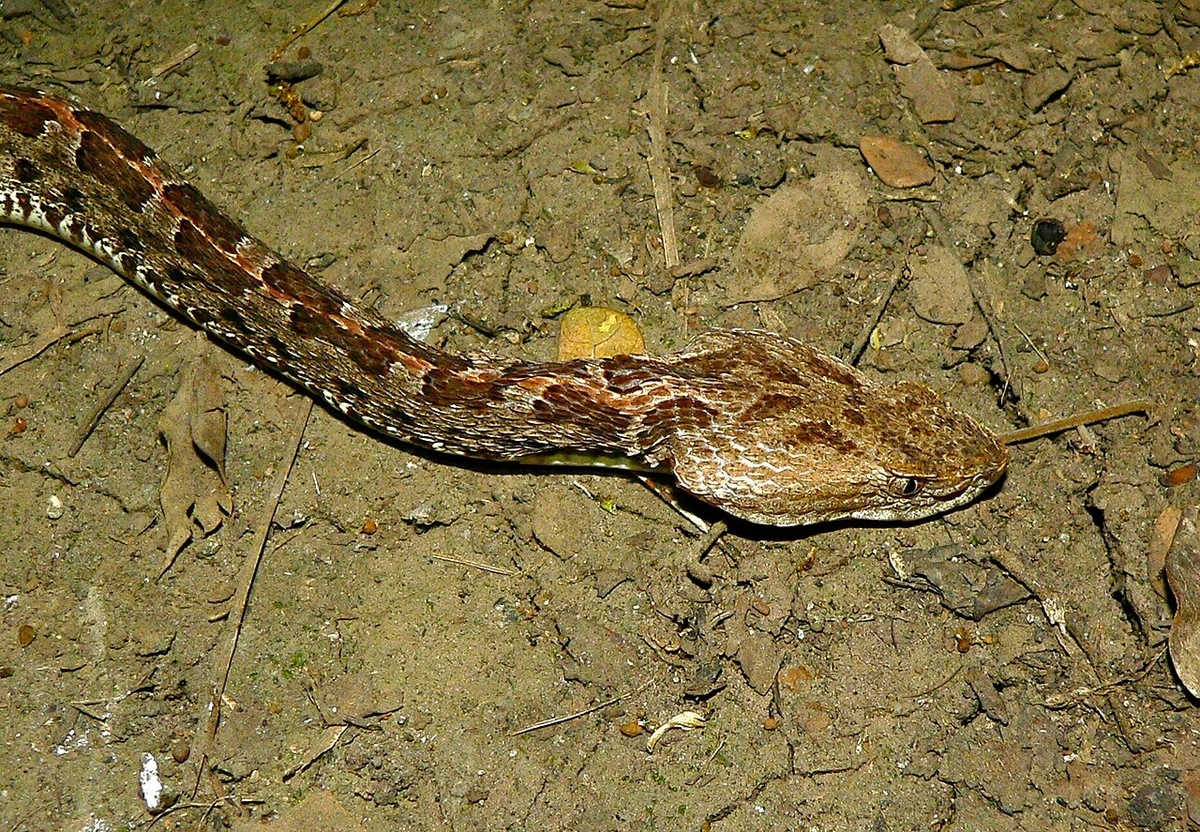
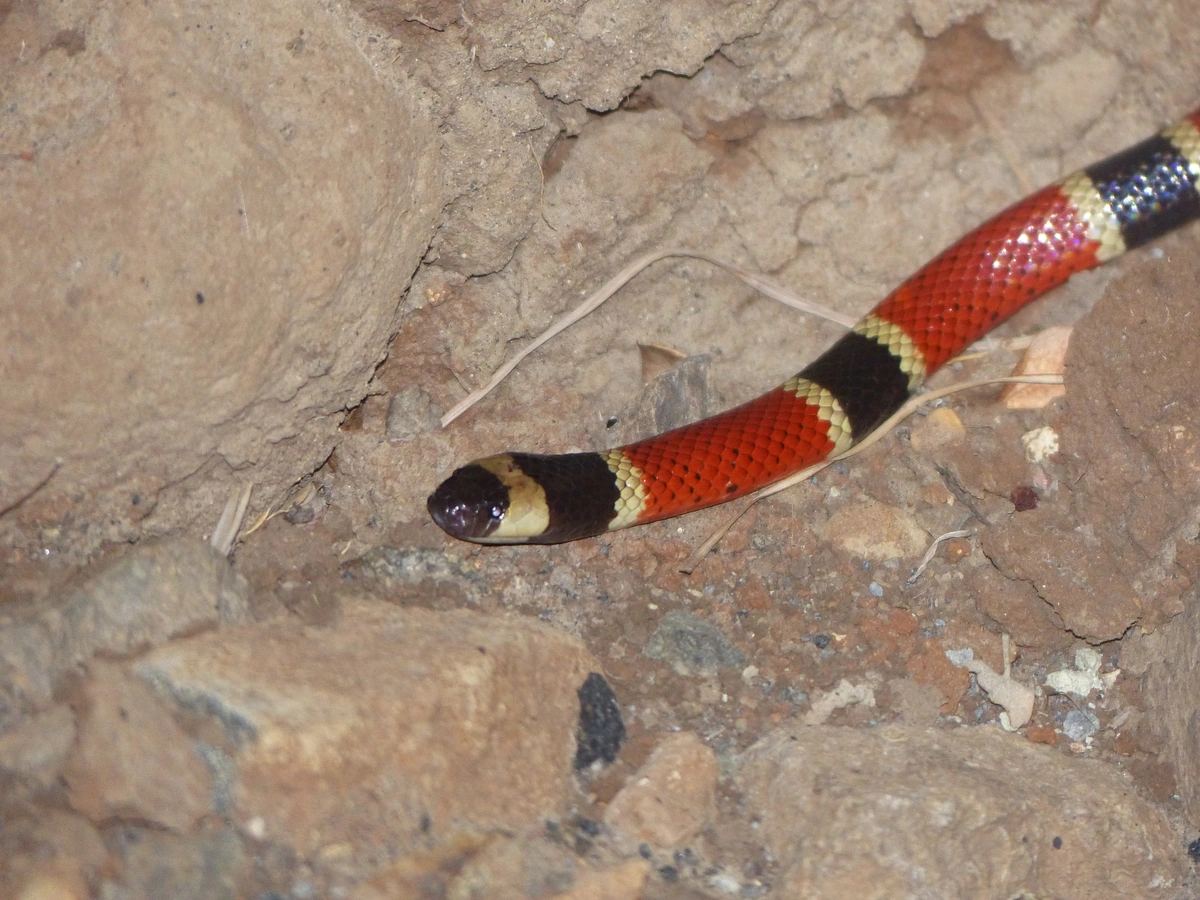
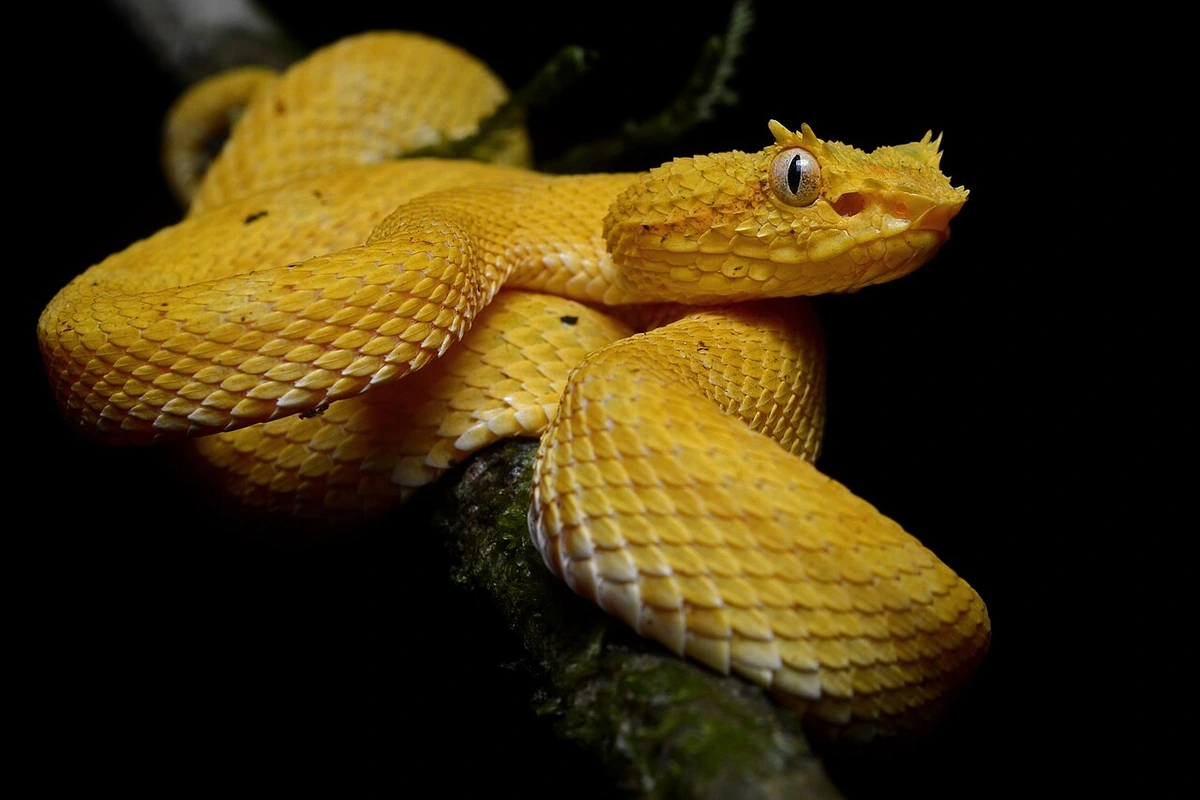
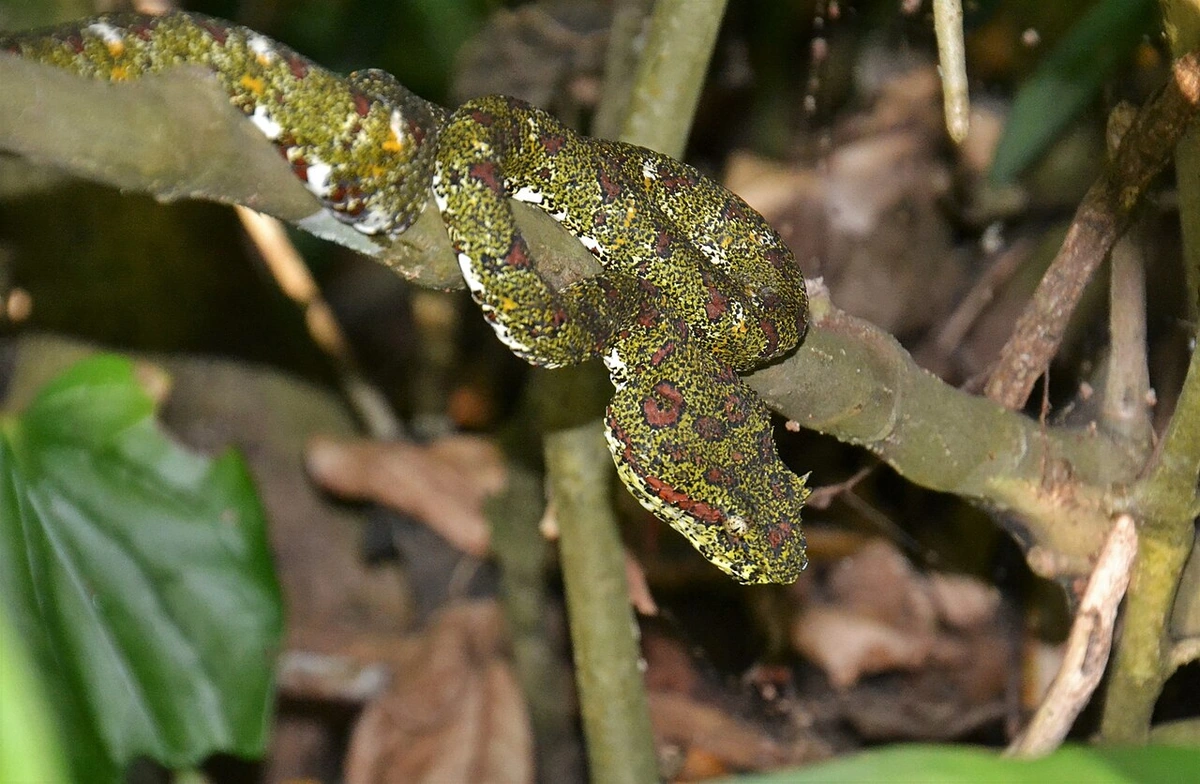
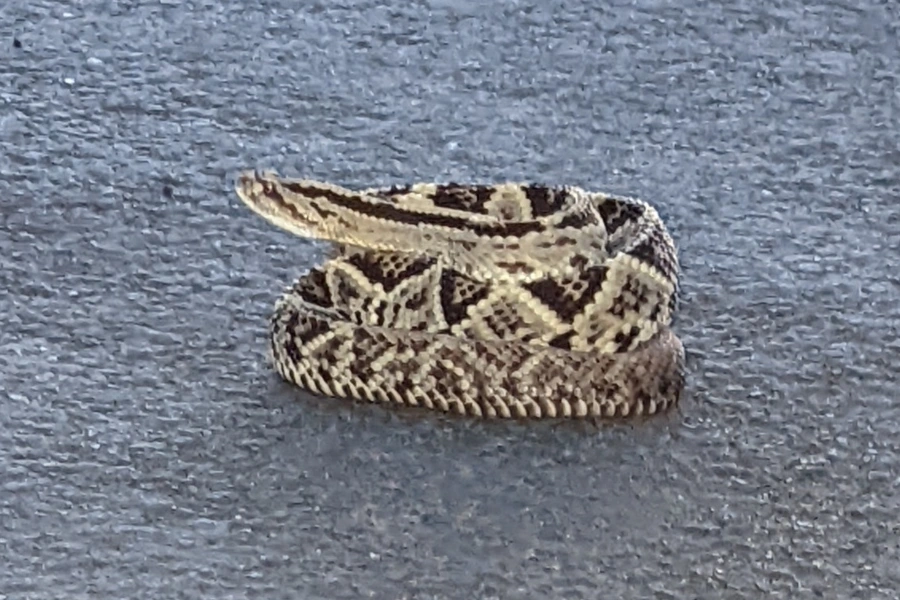
If someone is bitten: call 911 and go straight to a hospital. Keep the bitten arm or leg still and keep the person calm. Do not suck the wound, cut it, ice it, or tie a tourniquet, and skip every home remedy. Antivenom is made in Costa Rica and given free at public hospitals, and the Red Cross can give it at the scene in some rural areas.
Ants, scorpions, and wasps
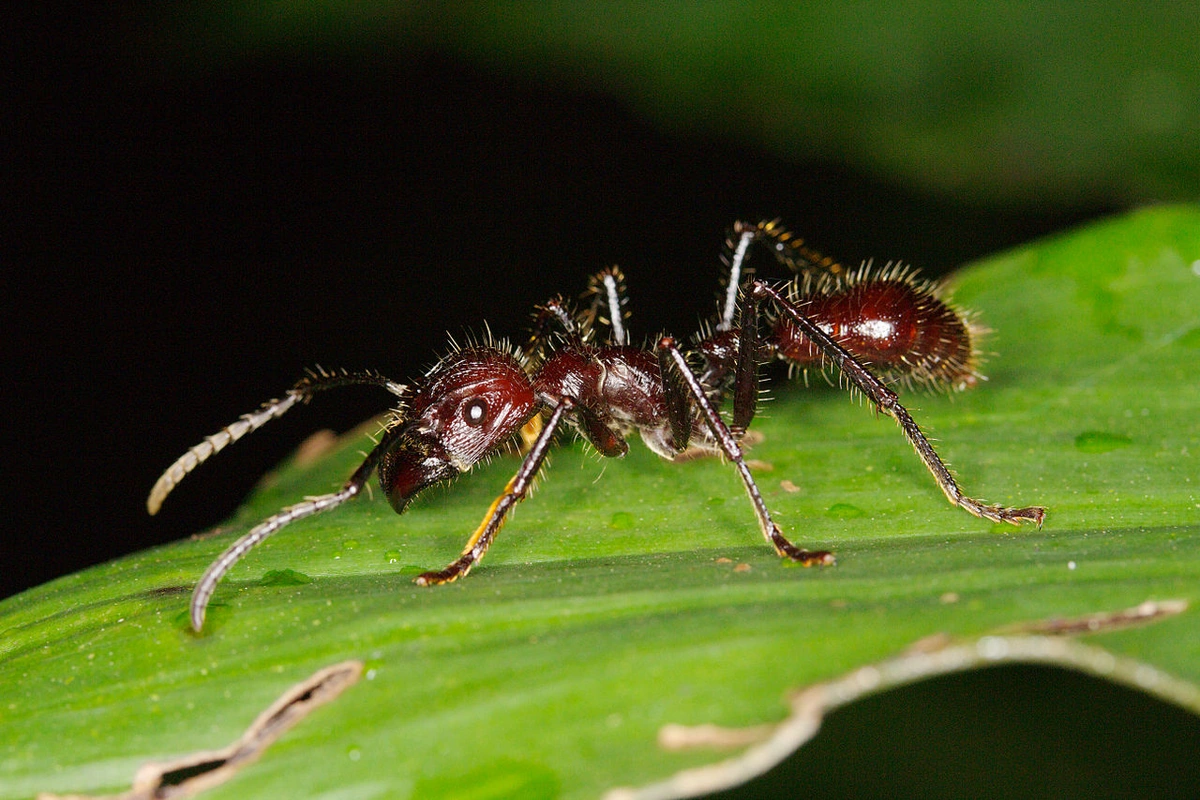
The risk: Painful, rarely dangerous. The bullet ant has an extremely painful sting (it is also called the 24-hour ant), fire ants build mounds in grass, and Costa Rican scorpions are not considered lethal to people. The real danger is an allergic reaction.
What to do:
- Look before you touch tree trunks and railings, and step around ant mounds.
- Shake out shoes, clothes, and towels left outside or on the floor.
- Anyone with a known sting allergy carries epinephrine, two doses, and calls 911 at the first sign of anaphylaxis, even after using it.
- If a child has severe symptoms after a scorpion sting, see a doctor. The poison control center (2223-1028) can advise on any bite or sting.
Manchineel trees
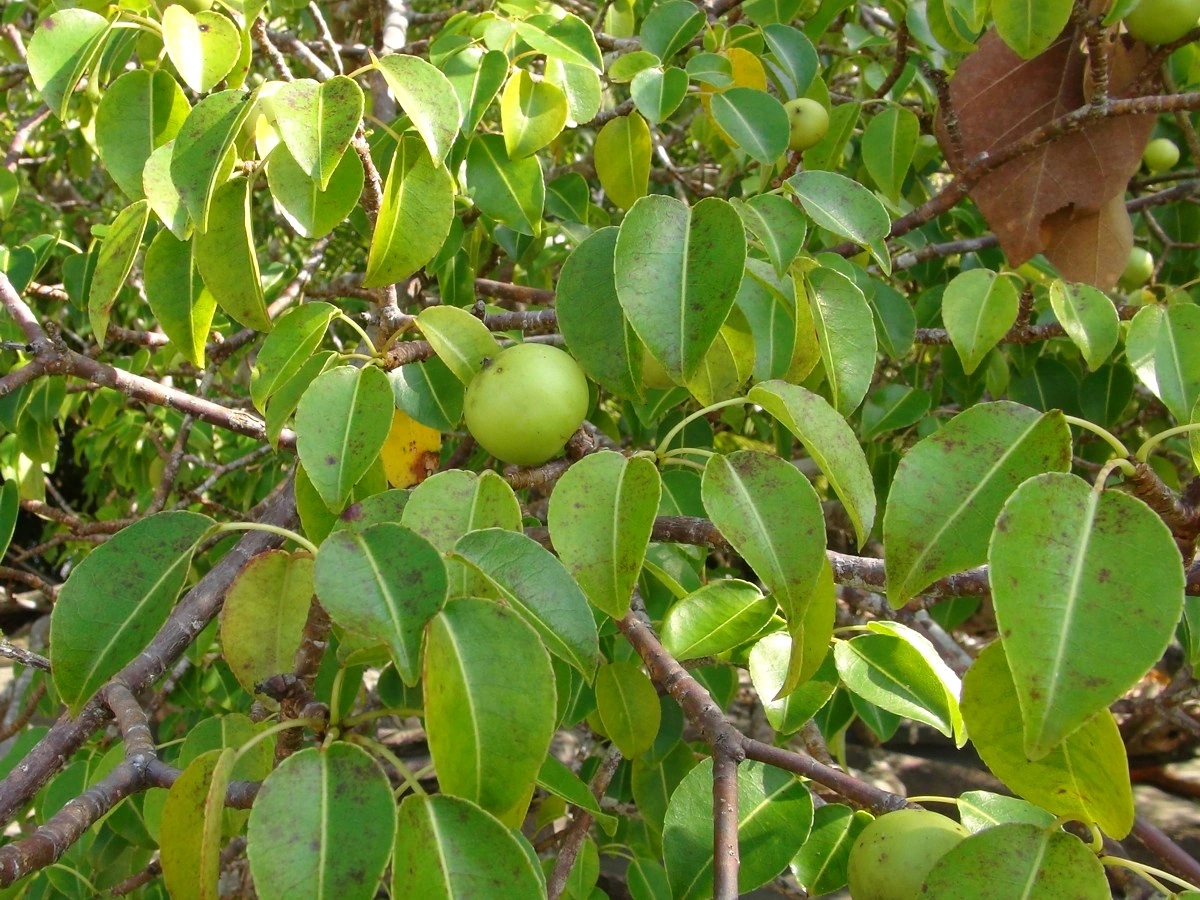
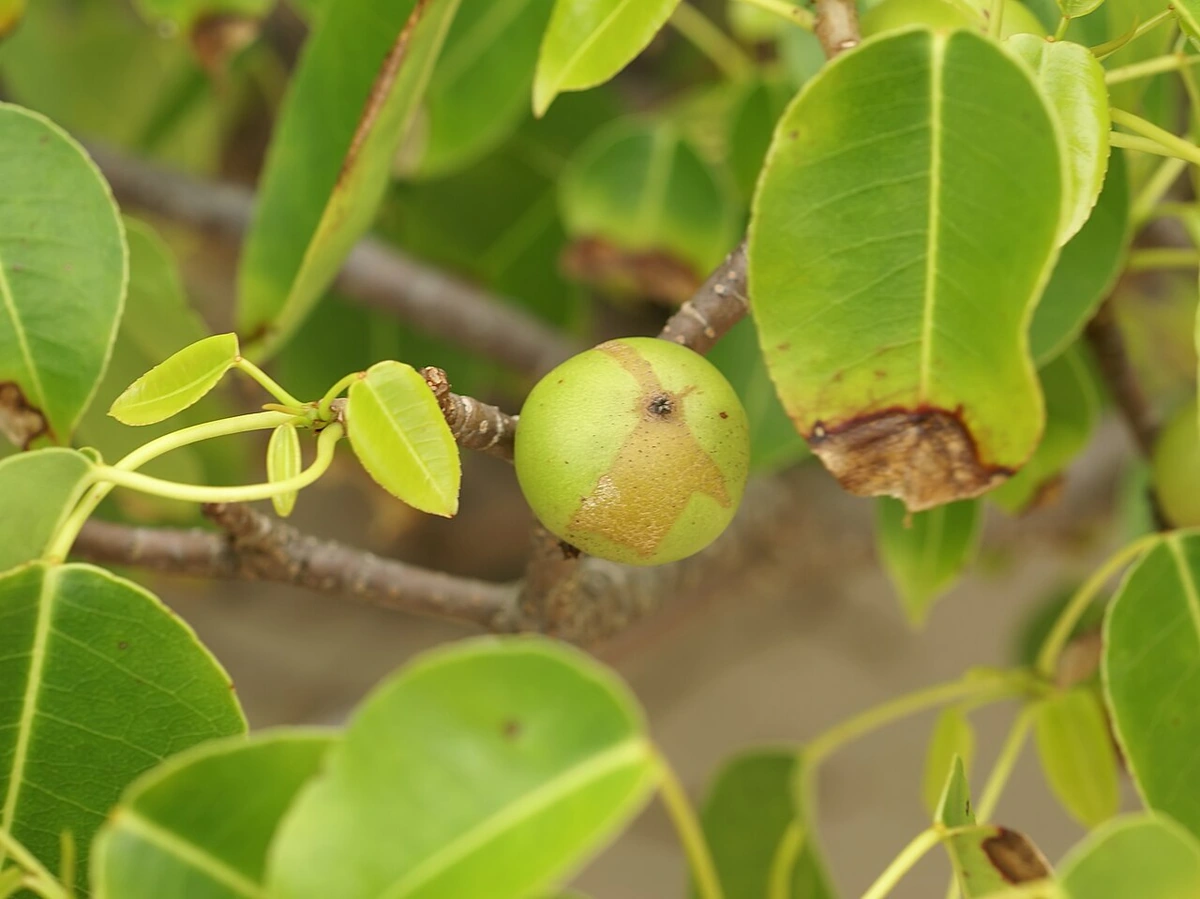
The risk: The manchineel (manzanillo de playa) grows right on Pacific beaches, including inside Manuel Antonio National Park. Every part is toxic. The milky sap raises burn-like blisters, rain dripping off the leaves carries it, smoke from burning the wood can inflame the eyes, and eating the fruit can kill.
What to do:
- Learn the look: finely toothed leaves two to four inches long, and a small green fruit like a crab apple, one to two inches across, turning yellow when ripe.
- Never eat the fruit, never touch the tree, and never burn it.
- Do not sit or stand under one, and never shelter under one in the rain.
- If sap gets on skin, rinse with water. For anything in the eyes, see a doctor.
The park itself warns about the tree on its official page, and our Manuel Antonio National Park guide covers the rest of the park rules.
Monkeys and other wildlife
The risk: Animals that get fed lose their fear of people, steal food, and can bite or scratch. Feeding also harms their health, and it is against the law here, with a fine.
What to do:
- Never feed a monkey, a raccoon, or a bird, however tame it looks.
- Keep food sealed and bags zipped, at the beach and on the villa terrace.
- Watch from a few steps back. Inside Manuel Antonio National Park, food stays in the designated eating area, never on beaches or trails.
- For any bite or scratch, wash it with soap and water and see a doctor the same day. CDC reports no dog rabies in most of the country, but rabies is present in bats.
At the villa
Pools, stairs, and wet tiles
The risk: According to CDC, drowning kills more children ages one to four than anything else, and it is fast and often silent. Most villa pools here have no fence and no lifeguard. Hillside houses add outdoor stairs and tile that gets slick in the rain.
What to do:
- Name one adult as the water watcher whenever kids are in or near the pool: close by, eyes on the water, no phone and no drink. Hand the job over out loud.
- Use the pool fence and self-latching gate if the house has one.
- Put weak swimmers in a life jacket. Inflatable toys are not safety devices.
- Swim lessons help but never replace watching. It is worth having someone in the group who knows CPR.
- Wear shoes with grip on outdoor stairs and wet tile, and leave a light on for the night walk to the kitchen.
Theft, scams, and security
Yes, things get stolen here, the same as in any beach town anywhere. Almost all of it is opportunistic: a bag left on the sand, a phone on a bar table, a rental car with the luggage in the back. A few habits handle most of it.
The official advice says the same thing in a drier voice. The US State Department rates Costa Rica Level 2, exercise increased caution, and Canada asks for a high degree of caution, both because of crime. The US government's own security report says most reported crime is property crime, and most of that is petty.
Petty theft and car break-ins
- Leave the car empty. Not tucked in the trunk, empty. Lock it by hand and pull the handle to check, since some thieves use gadgets that stop the key fob from locking. Drop the luggage at the villa before any sightseeing stop.
- Take to the beach only what you would shrug off losing. One person stays with the bags while the others swim, and passports stay in the villa safe.
- Keep your phone in a front zip pocket or your hand in busy bars, and carry a photo of your passport instead of the passport.
Airport rides, park hustlers, and cards
- At the airport, ignore anyone inside the terminal offering a ride. Some pose as official drivers and charge a small fortune for a short trip. Book your transfer ahead, or at San José take only the orange airport taxis from the official stand and agree on the price first.
- At Manuel Antonio National Park, drive past anyone in a vest waving you into a parking lot, and buy tickets ahead of time on the official SINAC site. Our park guide walks you through it.
- Type the park ticket site address yourself. Lookalike sites and social media pages sell tickets that do not exist, so skip ads and links sent in messages.
- Use ATMs inside a bank or a mall, cover the keypad, and turn on transaction alerts. Canada warns about card skimming, and a low daily withdrawal limit caps the damage if a card is copied or taken.
At the house
- Use the safe, close the windows, and leave a light on when everyone heads out to dinner. Thieves watch for houses where the guests have gone out for the evening.
- Pick a house with real security: a gate, a guard or a monitored alarm, and reviews that mention no break-ins. The US Embassy has given visitors the same advice about reviews.
- Post the vacation photos after you leave, not while you are still in the house.
- If anyone ever confronts you, hand things over and call 911 once they are gone. It is rare, and nothing in a suitcase is worth a struggle. Keep a spare card separate from your wallet.
On the road
- Plan drives to finish before dark, which falls around 5:30 to 6 p.m. all year. Most roads are two lanes, unlit, and short on shoulders, with potholes that are hard to see at night.
- If a tire goes soft or something hits the car, keep driving slowly to a gas station or another lit, busy place before you stop. Decline help from strangers, and call 911 once you are somewhere safe.
Keep it in proportion
That is about it. Petty theft gets most of the airtime, but the ocean is the bigger risk. Rip currents are the biggest danger in this guide, followed closely by the sunburn that ends a vacation on day one and the surfer who paddles out into waves well above their level. Give the ocean more respect than your wallet and you have your priorities right.
On that last one: book a lesson with a certified surf school for your first sessions, pick breaks that match your level, and learn the one rule of the lineup. The surfer closest to where the wave is breaking has it, so do not drop in. Waiting your turn and a friendly nod go a long way in any lineup.
Women traveling
Women travel here on their own all the time, and the habits that work in any beach town work here too. The official warnings come down to three things: harassment, drinks that may be drugged, and being out alone after dark. Canada notes that women traveling alone may face harassment or verbal abuse, and that sexual assaults against foreigners have been reported at beach resorts and involving taxi drivers in San José. Each of those has a practical fix.
Getting around at night: taxis and ride apps
- Know what an official taxi looks like. Red with a yellow triangle on the door, or orange at the airport. The number in the triangle matches the license plate, and the driver should run the meter, called the maría.
- Book the ride rather than flagging one down. Canada's advice is to book official taxis ahead, never flag one in the street, never share a taxi with strangers, and note the driver's name and plate. Your host or concierge can call a driver they know.
- Ride apps are a fair choice. Uber and DiDi are widely used here, though they still run without a specific law. The US State Department names licensed taxis and well-known ride-sharing services as the two to use. Check that the plate and the face match the app, and share the trip with a friend.
- Never get into an unmarked car whose driver offers you a ride, at the airport or outside a bar.
- Sit in the back, and keep your phone charged and in your hand.
Drinks, nights out, and dating apps
- Buy your own drinks and keep them in sight. Canada warns that drinks, snacks, gum, and even cigarettes offered by new acquaintances may be drugged, leading to robbery or sexual assault. Do not accept them, and do not leave a drink with someone you just met.
- If you suddenly feel far drunker than you should, tell your friends or the bar staff straight away, and call 911 if it gets worse.
- Meet app dates in a busy public place, get there and back on your own, and tell a friend where you are and who you are with. Hold off on sharing where you are staying until you know the person.
- Arrive and leave with your group, and agree on the ride home before the night starts.
Walking alone and beaches after dark
- Take a ride after dark instead of walking unlit roads or quiet streets, even short distances. The State Department advises against walking alone on poorly lit beaches or streets at night.
- Enjoy the sunset, then leave the beach. Empty beaches at night are where muggings happen, and the State Department says not to walk alone or go into the water at night.
- Swim with a friend on quiet beaches, even by day. The current is reason enough on its own.
- Walk with purpose and earbuds out on a solo daytime walk, and keep to trails and roads where other people are.
If something happens
- Call 911 first. The same number handles police, ambulance, and violence against women around the clock. According to the State Department, calling 911 after a sexual assault starts Costa Rica's support protocol, which includes urgent medical care and evidence collection.
- File a report (a denuncia) with the OIJ, the judicial police, if you want the crime investigated. They only act on a report. The OIJ CR Safe app finds the nearest office, and the Tourist Police posts in Tamarindo, Dominical, and other towns can help you start it.
- Call your embassy. The US Embassy in San José (+506 2519-2000) helps citizens with medical care and reporting and keeps a list of lawyers. Canadians can call the toll-free line in the emergency box above.
- Tell your host or concierge. We would rather get the call at 2 a.m. than hear about it afterward.
Families with kids
Costa Rica is an easy country to travel with children, and the risks that matter most for kids are the water and the sun, not crime. Our guide to Manuel Antonio with kids covers the beaches, the park, and the days out. This part is the safety checklist.
Car seats in taxis and transfers
- The law: children under twelve who are shorter than 1.45 meters (about 4 feet 9 inches) must ride in the back seat in a car seat or booster suited to their size, under article 94 of the traffic law. Traffic police enforce it with a fine and license points, according to the transport ministry (MOPT).
- Taxis and buses are exempt from that rule, so do not count on a taxi having a seat. For anyone small, book a private transfer and send every child's age, height, and weight, so the right seats are in the van when it pulls up.
- Renting a car? Rental agencies rent seats, but quality varies, so some families bring their own.
Pools and the ocean
- One named adult watches the water whenever kids are in or near it, at the villa pool and on the beach. The pool rules above explain how to hand the job over.
- Never let children go in the sea alone, which is the State Department's advice too. Most beaches have no lifeguard, so the adult is the lifeguard.
- Pick calm, sheltered beaches for swimming, and keep the big open beaches for sandcastles with a child in arm's reach. Teach older kids what a rip current looks like and what to do in one.
- Life jackets for weak swimmers, in the pool and on any boat, and never an inflatable as a substitute.
A plan for a lost child
- Take a photo of each child every morning, so you have what they are wearing today.
- Write your phone number on a wristband or inside their hat, with the country code (+1 for the US and Canada).
- Agree on a meeting point as soon as you arrive at a beach, a park, or a market: the lifeguard stand, the park entrance, a shop sign they can find.
- Teach them who to ask: a guard, a park ranger, a shop worker, or a parent with kids. "Estoy perdido" means "I am lost" (perdida for a girl).
- If a child is missing near the water, check the water first, alert a lifeguard if there is one, and call 911 without waiting.
Sun and bugs for little ones
- Babies under six months: shade, a brimmed hat, and light long sleeves come first. CDC says a small amount of sunscreen on exposed skin is fine, and that a bad sunburn in a young baby is a medical emergency.
- Older kids: a long-sleeve rash guard, sunscreen reapplied after every swim, and a shady break from 10 a.m. to 2 p.m.
- Repellent: the American Academy of Pediatrics advises no DEET on babies under two months, and CDC says no oil of lemon eucalyptus or PMD under three. Put repellent on your hands and then on the child, skipping hands, eyes, and mouth.
- A mosquito net over the stroller and the crib covers babies too young for repellent.
Strollers on hilly towns
- Bring a baby carrier. Manuel Antonio sits on a steep hill, many houses have stairs from the parking, and some beach paths, like the one down to Playa Biesanz, are steep. A carrier goes everywhere a stroller does not.
- A light, compact stroller is still worth it for flat stretches. The Perezoso boardwalk inside Manuel Antonio National Park takes one.
- Ask about stairs before you book. How many steps from the car to the bedrooms is a fair question for any hillside house.
Medical care for kids
- Call 911 in an emergency, and know the nearest hospital from the table below. The country's children's hospital is the Hospital Nacional de Niños in San José (2523-3600).
- Pack children's acetaminophen and the dosing chart. For a fever, avoid ibuprofen and aspirin until a doctor has ruled out dengue, the same rule as for adults.
- Bring each child's medicines in their labeled packaging, plus a copy of their vaccine record.
- Check that your travel insurance covers the kids and medical evacuation. Private hospitals usually want payment or proof of insurance before treatment.
- One paperwork note: children visiting as tourists leave freely, but a child with Costa Rican citizenship, including any child born here, needs an exit permit, according to the migration rules.
Health and medical care
Water and food
The risk: Stomach upsets from water, ice, or food. Many towns have treated water, but quality varies by supplier and by the house's own storage tank, and the US State Department says tap water is often not safe to drink.
What to do:
- Ask your host about the house water, or drink bottled or filtered water.
- Ask for bottled water at restaurants, which may serve tap water unless you ask, and ask how the ice is made.
- Carry oral rehydration salts for a stomach bug.
Hospitals and clinics by region
The risk: Serious care is far from some beaches, and private hospitals usually want payment or proof of insurance before they treat you.
What to do: call 911 for any emergency, and know the nearest hospital before you need it. The numbers below are hospital switchboards, not emergency lines.
| Area | Hospital | Phone |
|---|---|---|
| Manuel Antonio and Quepos | Hospital Dr. Max Terán Valls, Quepos. Public, 24-hour emergencies. | 2774-9500 |
| Dominical and Uvita | Hospital Dr. Tomás Casas Casajús, Ciudad Cortés. Public, 24-hour emergencies. | 2786-8148 |
| Dominical and Uvita | Hospital Escalante Pradilla, Pérez Zeledón. The larger public regional hospital. | 2785-0700 |
| Guanacaste | Hospital Dr. Enrique Baltodano Briceño, Liberia. The public regional hospital. | 2690-2300 |
| Guanacaste | Hospital de La Anexión, Nicoya. Public. | 2685-8400 |
| Guanacaste | Hospital Clínica Bíblica, Liberia. Private, with 24/7 emergencies. | Website |
- Clínica Bíblica bought Liberia's private hospital, the former Hospital San Rafael Arcángel. Older guides and some maps still use the old name.
- Manuel Antonio, Quepos, and Tamarindo also have private urgent care clinics. Their published hours do not always agree, so call before you go and confirm locally.
- Travel insurance is not an entry requirement, as far as we can find. We still recommend a policy that covers medical evacuation: the State Department notes an air ambulance can cost $50,000, often paid up front.
Vaccines
The risk: Mostly the routine list, plus hepatitis A: CDC has a hepatitis A notice for Costa Rica, mainly around San José.
What to do: see your doctor or a travel clinic before the trip, and check CDC's Costa Rica page for the current list.
- Routine vaccines up to date, including MMR, Tdap, and flu, plus COVID-19.
- Hepatitis A for unvaccinated travelers one year and older, and hepatitis B for unvaccinated travelers under 60.
- Chikungunya vaccine if you are going to an outbreak area. CDC's page lists where those are, and it has included northwest Costa Rica.
- Ask about typhoid for long stays or rural areas, and about rabies, since bats here carry it.
- Yellow fever: proof of vaccination is only required for travelers nine months and older arriving from listed countries in South America and Africa, such as Brazil, Colombia, and Peru. Flying in from the US, Canada, or Europe without a stop in one of those countries, you need nothing.
Weather and natural hazards
Rainy-season storms, roads, and rivers
The risk: Thunderstorms with lightning, rivers that rise over roads and fords, and landslides on mountain roads. Our guide to the best time to visit Manuel Antonio explains which months are wettest.
What to do:
- When thunder roars, go indoors: off the beach and out of the pool, into a building or a hard-topped car. Wait 30 minutes after the last thunder before going back out.
- During the storm, skip showers, baths, and washing dishes.
- Never drive or walk into water when you cannot see the bottom. About six inches of fast-moving water can knock an adult over, and the road under it may be gone.
- Avoid driving mountain roads in heavy rain, and follow alerts from the national emergency commission (CNE).
Earthquakes and tsunamis
The risk: A tsunami can reach the beach within minutes of a nearby earthquake.
What to do:
- Know the natural warnings: strong or long shaking, the sea suddenly rising or pulling back, or a roar from the ocean.
- If you feel a quake of any size while on the beach or near the water, walk inland and uphill as soon as it is safe. Go on foot, and do not wait for an official warning.
- Find the evacuation route from your house on the first day. The Quepos canton (which includes Manuel Antonio), Dominical, Uvita, Tamarindo, and El Coco are recognized as Tsunami Ready communities. Flamingo, Brasilito, and the Pinilla beaches are not, so look up your route before you need it. The national tsunami monitoring system publishes evacuation maps.
- For alerts, follow SINAMOT and CNE, the Costa Rican authorities, rather than foreign alerts alone.
There are more planning guides on our guides page.