
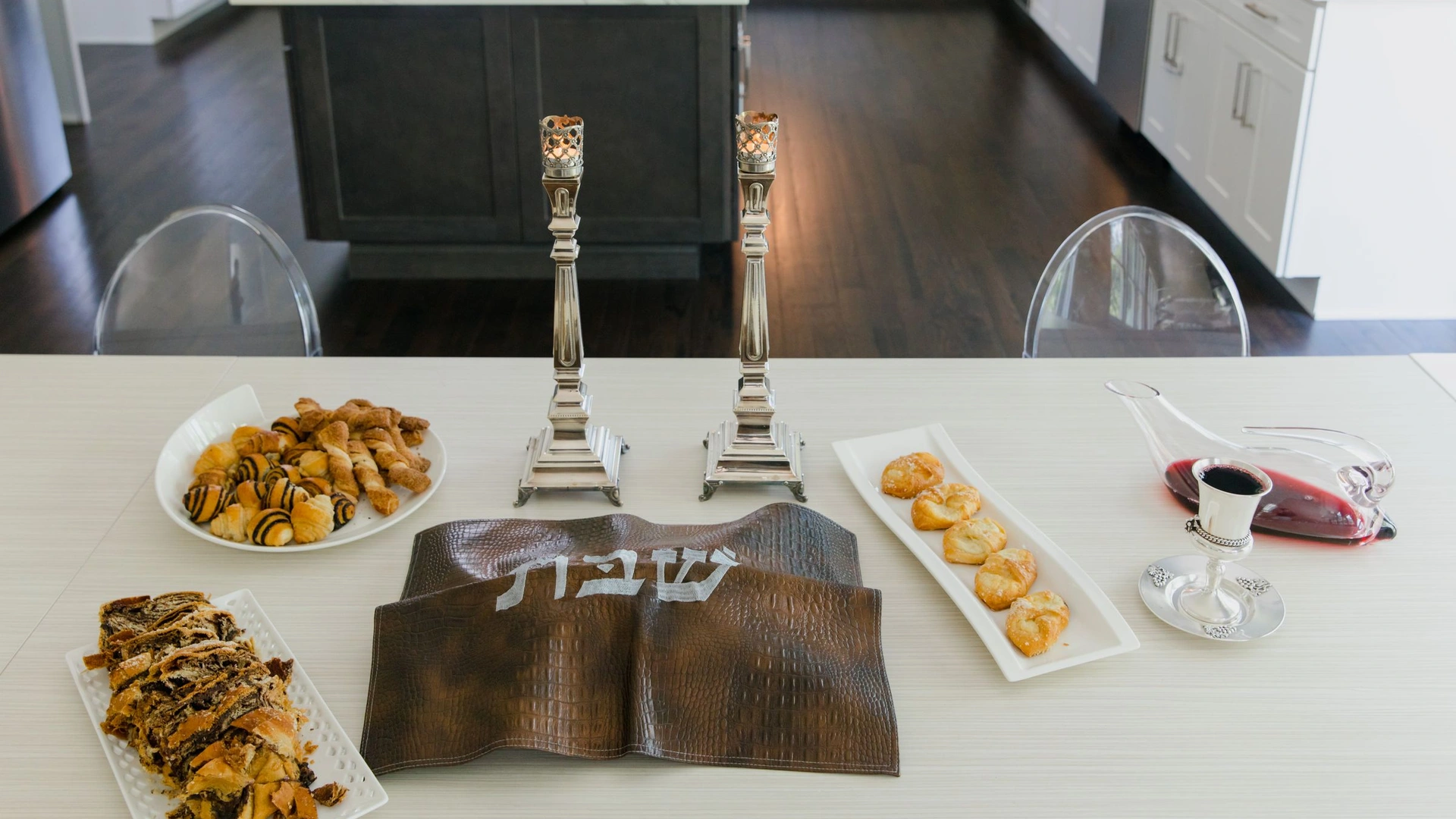
You can keep kosher on a villa vacation in Costa Rica, at any level, but almost nothing kosher exists at the beach. The food comes from San José, the kitchen needs a plan, and Shabbat needs a few decisions before you land. This guide covers what you can get and how it reaches the house, three ways to make a rental kitchen work (and why the owner has to agree), kosher chefs, Shabbat and Pesach in a villa, and what each region has. It comes from planning real trips for families who keep kosher, and every fact links to its source.
Start with your standard
Families who keep kosher do it in different ways, and nothing here assumes yours. Some need glatt meat, a kashered kitchen, and a mashgiach. Some eat certified food on disposable plates and leave the house kitchen alone. Others are fine with kosher-style cooking. We plan to the strictest standard you name and relax only as far as you tell us, and your own rabbi has the final word on anything halachic.
These are the words suppliers here use, so it helps to know which ones matter to you:
- Glatt: meat from an animal whose lungs were found smooth, without adhesions. A stricter standard than plain kosher for many Ashkenazi families (Chabad.org).
- Chalav Yisrael: milk whose milking an observant Jew watched (overview).
- Pat Yisrael: bread and baked goods with a Jew taking part in the baking (Star-K).
- Bishul Yisrael: certain cooked foods count as kosher only if a Jew took part in the cooking, for example by lighting the fire. This is why a chef who is not Jewish usually works alongside a mashgiach (kosher.com).
- Mevushal: wine that has been heated, so it stays kosher if someone who is not Jewish opens or pours it (Chabad.org).
Kosher food in Costa Rica, and how it reaches your villa
Costa Rica's Jewish community, about 5,000 people, is centered in San José, and that is where the kosher kitchens are (kosher.com, 2025). Jacó, on the Pacific about halfway to Manuel Antonio, is the second center. Everywhere else, food travels to you.
Kosher Market Costa Rica
Kosher Market, in Rohrmoser and Pavas in San José, is the supplier we work with most. It sells kosher meat and chicken, ready-to-serve meat, dairy, and parve dishes, challah and bread baked daily, fresh fish, dips, kosher wine, Shabbat packages, and a Pesach range. Its website says its products carry kashrut from the Orthodox rabbinate of the Centro Israelita Sionista, and it lists delivery to Manuel Antonio, Dominical, Uvita, Jacó, Tamarindo, Sámara, Santa Teresa, Arenal, Monteverde, and more (koshermarket.net). It publishes its prices in US dollars on the same site; delivery is quoted separately.
Two things we have from them directly. A kashrut certificate they shared with us is signed by Rabbi Itzhak Prober of the Centro Israelita Sionista, Chief Rabbi of the Orthodox community, and lists all meat as glatt kosher and all bread as pat Yisrael. Certificates are renewed every year, so we ask for the current one and which products it covers before your trip.
Kosher Market delivers anywhere in the country. For a villa stay, their own driver brings the order to the house, and we coordinate the day and time with them. A recent quote we received for one delivery from San José to Manuel Antonio was about US$200, so most families order in one or two larger deliveries rather than every day. Guanacaste and other regions are quoted on request.
Their shop is closed on Shabbat and closes early on Friday, and some cuts, like rib eye, need a week's notice (catering page). Browse Kosher Market's full menu here, tick what you want, and send us the list.
What you can order
Beyond the cooked meals, Kosher Market sells about 1,900 groceries and household items across eight catalogs. The catalogs print no prices, so we ask for prices and availability once you send your list, and the same driver brings everything to the villa with the food.

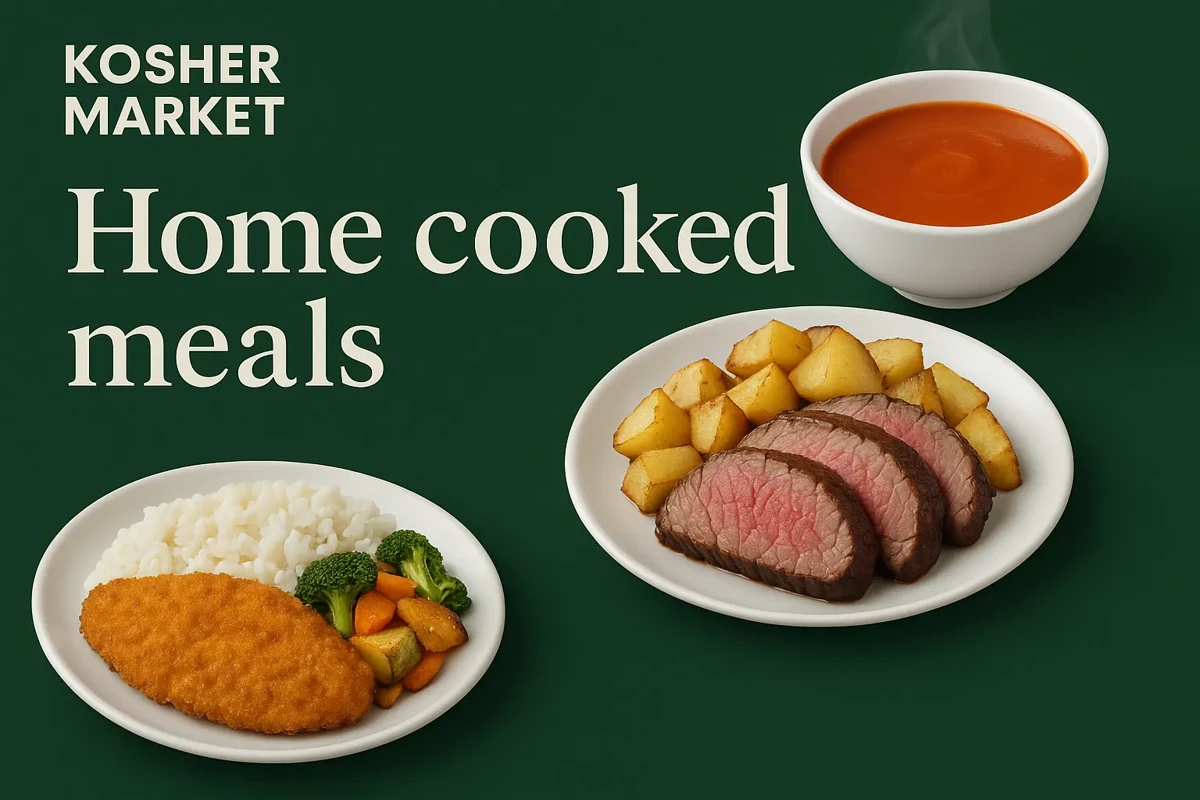
- Meat, fish, and dairy: brisket, rib eye, short ribs, tenderloin, and meat for cholent; whole chickens and boneless thighs; pastrami, salami, and franks; smoked salmon, herring, and gefilte fish; cheeses, yogurt, and parve whipped cream.
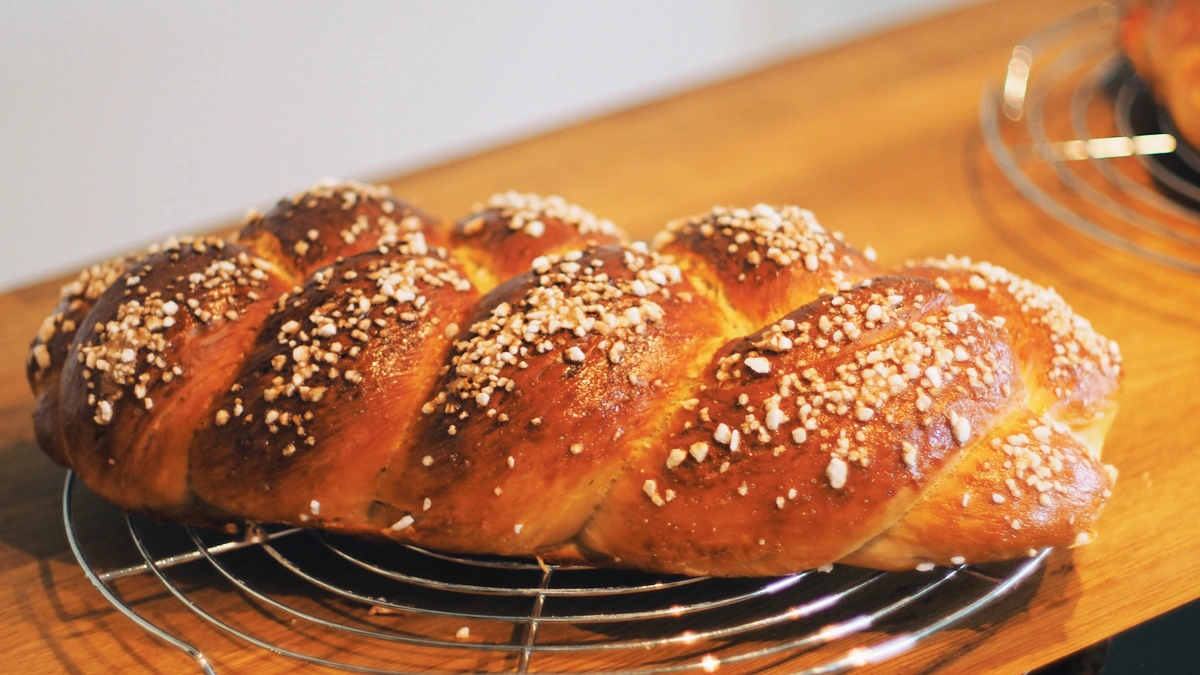
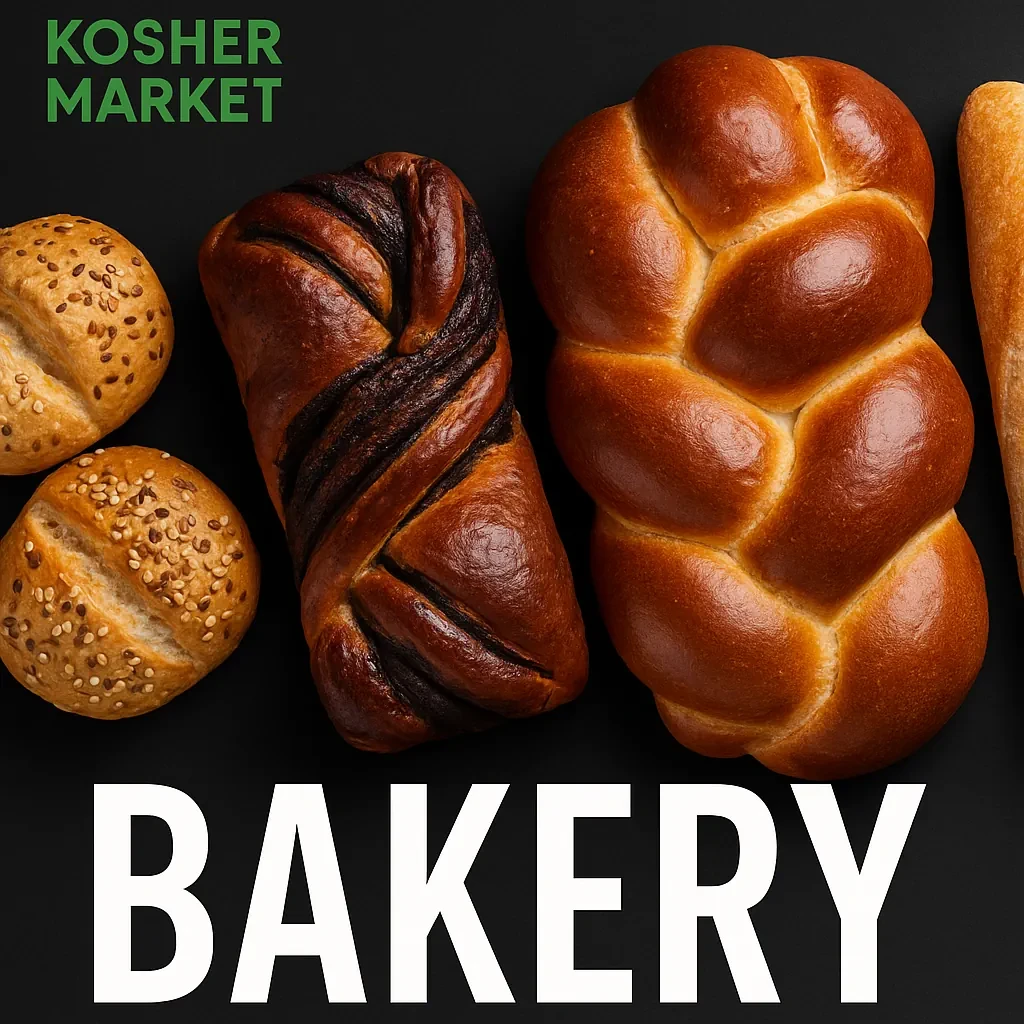
- Bakery and pantry: challah and rolls, pita, matzah, rugelach and yeast cakes, rice, quinoa and pasta, soup mixes including matzah ball, honey, tahini, and jam.
- Sauces, spices, and preserves: olive oil, pasta sauce, za'atar, sumac and shawarma spice, horseradish, Israeli pickles and olives, and hearts of palm.
- Snacks and nuts: Bamba and Bissli, pretzels, crackers, macaroons, nuts, Medjool dates, and dried fruit.
- Candy and chocolate: halva, Turkish delight, chocolate, and gummies.
- Beverages: grape juice, fruit juice, sodas, seltzer, coffee, and tea.
- Wine and spirits: Israeli and US reds and whites, rosé, Moscato and prosecco, sweet Kiddush wines, and arak.
- Judaica, home, and kitchen: Shabbat candles, Havdalah candles and spice holders, Kiddush and washing cups, Shabbat hot plates and warmers, disposable plates, cups, and tablecloths, meat, dairy, and parve oven mitts and aprons, baking pans, a kashering pot, kosher labels, and Hanukkah and Pesach items.
The catalogs do not list the supervision for each product. If you keep a particular standard, tell us and we ask product by product before anything is ordered.
Download Kosher Market's full catalogs (PDF, in English and Spanish, no prices):
- Meat, fish, and dairy (3.1 MB)
- Bakery and pantry (3.1 MB)
- Sauces, spices, and preserves (3.3 MB)
- Snacks and nuts (2.9 MB)
- Candy and chocolate (2.2 MB)
- Beverages (1.8 MB)
- Wine and spirits (1.5 MB)
- Judaica, home, and kitchen (2.4 MB)
Chabad and other kosher kitchens
- Chabad of Costa Rica, in Escazú, west of San José, offers Shabbat and holiday meals, kosher meat and chicken, and a mikvah (chabadcostarica.com). Its catering arm cooks under the supervision of Rabbi Hersch Yosef Spalter, needs orders 48 hours ahead, and delivers anywhere in the country (kosher-costarica.com).
- The Kosher Center in Pavas sells meat and chicken, Shabbat takeout, and meals double-wrapped for reheating, and delivers for a fee (kosher.com, 2025).
- Chabad of Jacó runs a visitor center with Shabbat meals by advance registration and weekday kosher prepared food (Chabad of Jacó).
- Sabress, the restaurant at Izu's Place in Jacó, does Shabbat catering for at least four people with a week's notice, and delivers nationwide for a fee. Its site shows certificates but names no rabbi, so ask who supervises it (izusplace.com).
Supermarkets, and reading the label
Imported products with kosher symbols are on the shelves at PriceSmart (membership required), Auto Mercado, which has sold pas Yisrael bagels, and Walmart (Chabad of Santa Teresa). Selection varies by store and is widest around San José, and we could not confirm a dedicated kosher aisle at any chain, so most families order their staples from Kosher Market and have them delivered to the villa.
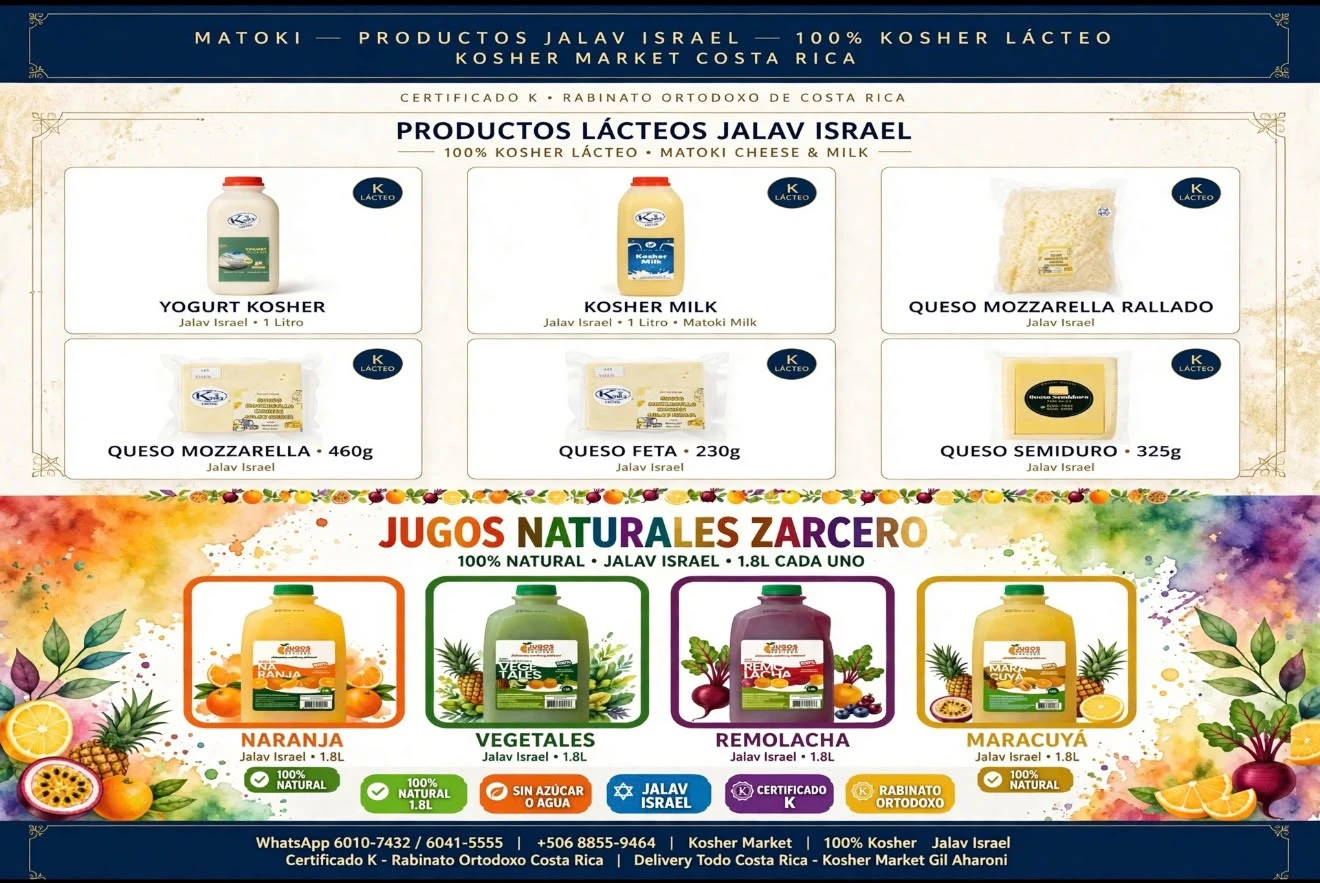
Read the symbol, not the word "kosher." A plain OU means the product is parve and not made on dairy or meat equipment. OU-D means dairy or made on dairy equipment, and OU-P means kosher for Pesach (OU Kosher). Products certified here carry the seal of the Orthodox rabbinate in San José. Kosher Market also publishes a list of local brands it considers kosher without a symbol, such as Dos Pinos dairy and Lizano sauce, but it does not say which authority stands behind the list, so treat it as a starting point and check with your rabbi (Kosher Market's guide).
Kosher wine
Kosher Market and Chabad's catering shop both sell kosher wine and grape juice for Shabbat, from Israeli and US wineries such as Barkan, Herzog, Teperberg, and Kedem, and Kosher Market's driver brings it with the food. If villa staff, a driver, or a chef who is not Jewish will handle open bottles, order mevushal wine.
What you can bring in your luggage
Costa Rica's animal health service, SENASA, allows travelers from the United States to bring sealed, labeled, commercially made cooked or cured beef, cooked poultry sausages, and pasteurized dairy, up to 5 kg of each, and canned fish up to 2 kg. Declare them at baggage inspection. Raw meat, eggs, home-cooked food, and anything with pork are refused and destroyed (SENASA rule DCA-PG-04-IN-03). Rules change, so confirm on the official site before you pack. In practice, buy meat here and pack dry goods, a few favorite snacks, and your Shabbat essentials.
Three ways to make the villa kitchen work
No rental kitchen is kosher when you arrive. Even a house that has hosted kosher families before has had other guests since, so every kosher authority we read starts from the same place: treat the pots, oven, stove, sink, and counters as not kosher (Star-K). From there, families take one of three routes.
Swipe the table sideways to compare all three.
| Ready-made food only | New cookware, house kitchen left alone | Kasher the villa kitchen | |
|---|---|---|---|
| How it works | Certified meals delivered sealed, eaten on disposables. Reheat double-wrapped, or not at all. | You bring or buy new pots, a countertop oven, a hot plate, and a portable grill. Counters covered, dishes washed in basins. | A team under rabbinic supervision kashers the oven, stovetop, sinks, counters, and grill before you arrive. |
| You can cook | No | Yes, on your own equipment | Yes, in the house kitchen |
| Owner consent | Not needed | Tell the owner; nothing is heated or altered | Written consent needed first, since high heat or a torch can mark finishes |
| Cost | Food and delivery only | The equipment, which you take home or leave | A recent quote in Manuel Antonio was about US$450 |
| Best for | Short stays, and families used to packaged kosher meals on the road | Families who want to cook without touching the house | Longer stays, larger groups, a chef, or strict observance |
| Watch for | Lots of disposables, and the Friday delivery for Shabbat | New metal and glass cookware needs immersion before use | Not every surface can be kashered; it must be scheduled before you arrive |
Ready-made food only
The simplest route, and plenty of families take it. Order from Kosher Market or Chabad's catering, eat on disposable plates and cutlery, and leave the house kitchen untouched. If you need to warm food in the villa's oven without kashering it, double-wrapping is the usual answer (Star-K). The Kosher Center sells meals already double-wrapped for exactly this (kosher.com). Kosher Market sells disposable plates, cups, cutlery, and tablecloths, so they can come on the same delivery as the food.
New cookware, house kitchen left alone
This is the less invasive route we suggest when a family wants to cook but the owner would rather not have the kitchen kashered. Bring your own pots, or buy new ones here, and add a countertop oven and a hot plate so you never need the house oven or stove. Star-K suggests bringing a portable grill rather than kashering the house barbecue, and using basins in the sink, separate for meat and dairy (Star-K). Clean counters can hold cold, packaged food; put a trivet or towel under anything hot. Leave the dishwasher alone.
Much of this kit does not have to travel in your luggage. Kosher Market's Judaica and kitchen catalog includes Shabbat hot plates and countertop warmers, disposable tableware, separate meat, dairy, and parve oven mitts, aprons, and towels, baking pans, parchment and roasting bags, and color-coded kosher labels, delivered with the food order (Judaica, home, and kitchen catalog, PDF).
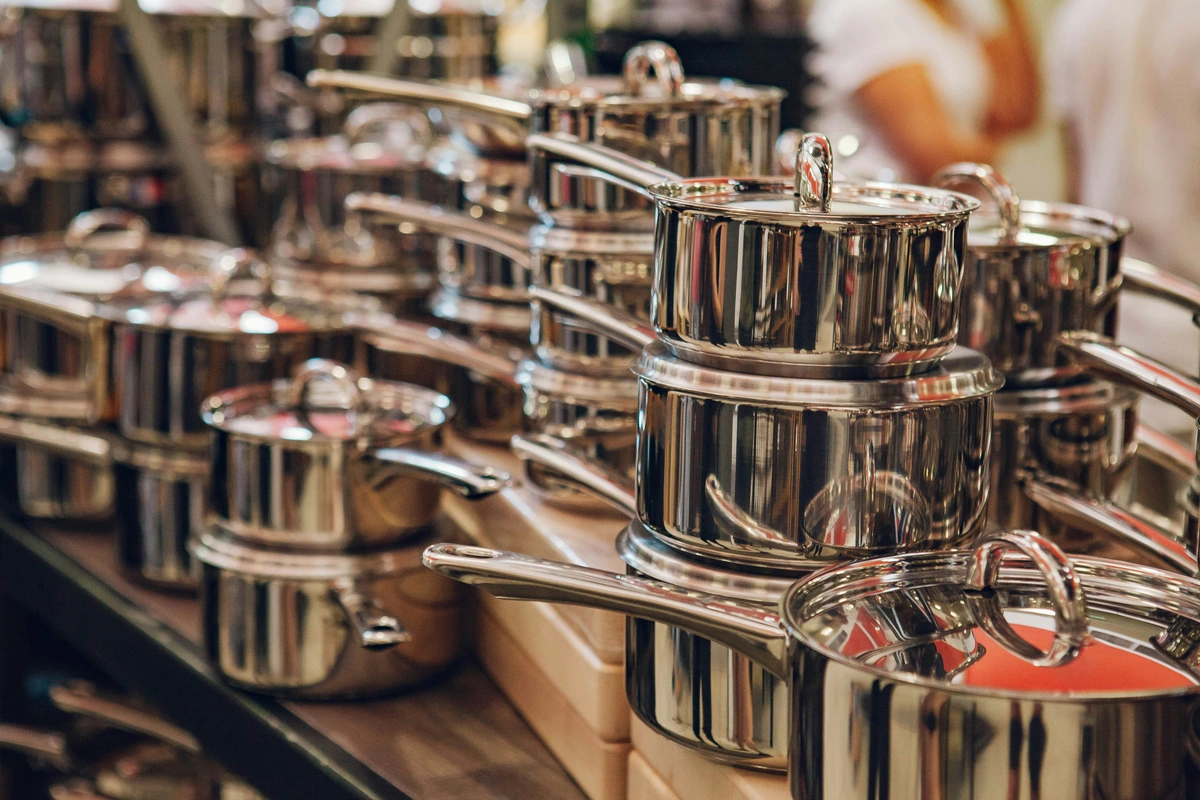
New metal and glass cookware has to be immersed before first use. Ask Chabad of Costa Rica or the Centro Israelita about doing it in San José. Star-K also writes that utensils may be immersed in an ocean, sea, or a river fed by a spring, which matters when your villa sits above the Pacific (Star-K). Ask your rabbi which applies to you.
Kashering the villa kitchen
For a full kitchen you can cook in, a team under rabbinic supervision kashers it before you arrive. The Centro Israelita's kashrut department in San José told us it can kasher a villa kitchen and can also send a mashgiach, a kosher supervisor, for the stay. A recent quote we received for kashering a villa kitchen in Manuel Antonio was about US$450; travel to Guanacaste may cost more. We arrange it and get the quote for your house.
What happens, in outline, from the Chicago Rabbinical Council's guide (cRc). Every part is cleaned and left unused for 24 hours. A self-cleaning oven runs a full self-clean cycle with the racks inside; an oven without one is heated to 500 to 550 F for an hour; low-temperature steam-clean cycles do not count. Stovetop burners run at maximum for at least 30 minutes. Stainless steel sinks and stone or quartz counters are kashered with boiling water poured over every surface. Methods differ between authorities. Some require a blowtorch for the oven, especially for Pesach (OU Kosher), so the team follows your rabbi's instructions.
Ask the owner, or let us ask, whether the oven is self-cleaning. Some are not, which leaves a long high-heat burn or a torch.
What cannot be kashered
China, pottery, earthenware, enameled pots, and concrete cannot be kashered, and the Ashkenazi custom is not to kasher glass. Porcelain sinks, ceramic tile, cement, and porcelain counters cannot be kashered either, so they get covered, and an insert goes in the sink. A glass stovetop can be kashered by running the burners, or left alone with your pots on metal discs. Dishwashers, toasters, sieves, and anything with crevices that cannot be cleaned are out (cRc). Before you book, we ask the owner for photos of the oven, stovetop, sinks, and counters so you know which of these you will meet.
Why the owner has to agree
Kashering uses heat that can discolor a stovetop, mark a countertop, or crack a glass top, and a torch inside an oven is not something to spring on a homeowner. Star-K's advice for rentals is plain: kasher only where there is no risk of damage, or with explicit permission (Star-K). We get the owner's agreement in writing, with what will be kashered and how, before anything is booked. If the owner says no, the house can still work on the second route.
A private kosher chef
A chef who cooks fresh meals in your villa is the most comfortable way to keep kosher here, and the hardest to get right. Kosher Market advertises a kosher private chef who cooks "in the comfort of your vacation rental, villa, or home," with Ashkenazi, Sephardic, Israeli, and holiday menus, and "supervision as needed" (Kosher Market). On the Pacific coast, the other chefs we found who mention kosher name no supervising rabbi, so we treat them as kosher-style.
Before you book any chef, ask:
- Who supervises the cooking, by name, and will a mashgiach be present?
- Where does the meat come from, and is it glatt?
- Whose cookware is used, and is the house kitchen kashered first?
- Who lights the fire, if you keep bishul Yisrael?
- Who opens and pours the wine?
- What happens on Shabbat?
For a strict household, the working model is a chef in a kashered kitchen with a mashgiach, using certified ingredients from San José. For a family that keeps kosher more loosely, a good local chef cooking with sealed Kosher Market products on your own cookware may be enough. That is your call, and we tell you plainly which one you are getting.
Shabbat in a villa
Costa Rica sits close to the equator, so Shabbat starts at almost the same time all year: candle lighting falls a little before 5 p.m. to about 5:45 p.m. Check the exact time each week on Chabad of Costa Rica's site.
Food
Plan for Shabbat food to arrive on Thursday or early Friday. Kosher Market closes early on Friday and the drive from San José to Manuel Antonio is about three hours (our airport guide), so a Friday afternoon delivery is a gamble; we book Kosher Market's driver for Thursday. Kosher Market sells Shabbat packages with challah, wine, and classic dishes (Kosher Market).
Keeping food warm
Bring or order a hot plate, a hot water urn, and a slow cooker; Star-K lists all three for a Shabbat in a rental, along with a lamp and a timer (Star-K). Kosher Market sells hot plates and Shabbat warmers and can send them with the Thursday delivery. The rules on blechs, hot plates, and slow cookers vary, and Star-K's guide covers the common setups (Star-K). Do not use the oven's time-bake unless it is certified for Shabbat mode.
The house
Villas here are full of things that switch on by themselves. Before you book, we check for:
- Motion-sensor lights in halls, bathrooms, and paths, which need to be disabled.
- Electronic door locks and keypad gates, which Star-K says may not be used on Shabbat, and whether the house has a plain key.
- Security cameras, smart thermostats, and the refrigerator light.
- Which faucet handle is cold, so nobody turns on hot water by mistake.
Ask for the gardener and pool staff to be told your Shabbat hours, too.
Candles
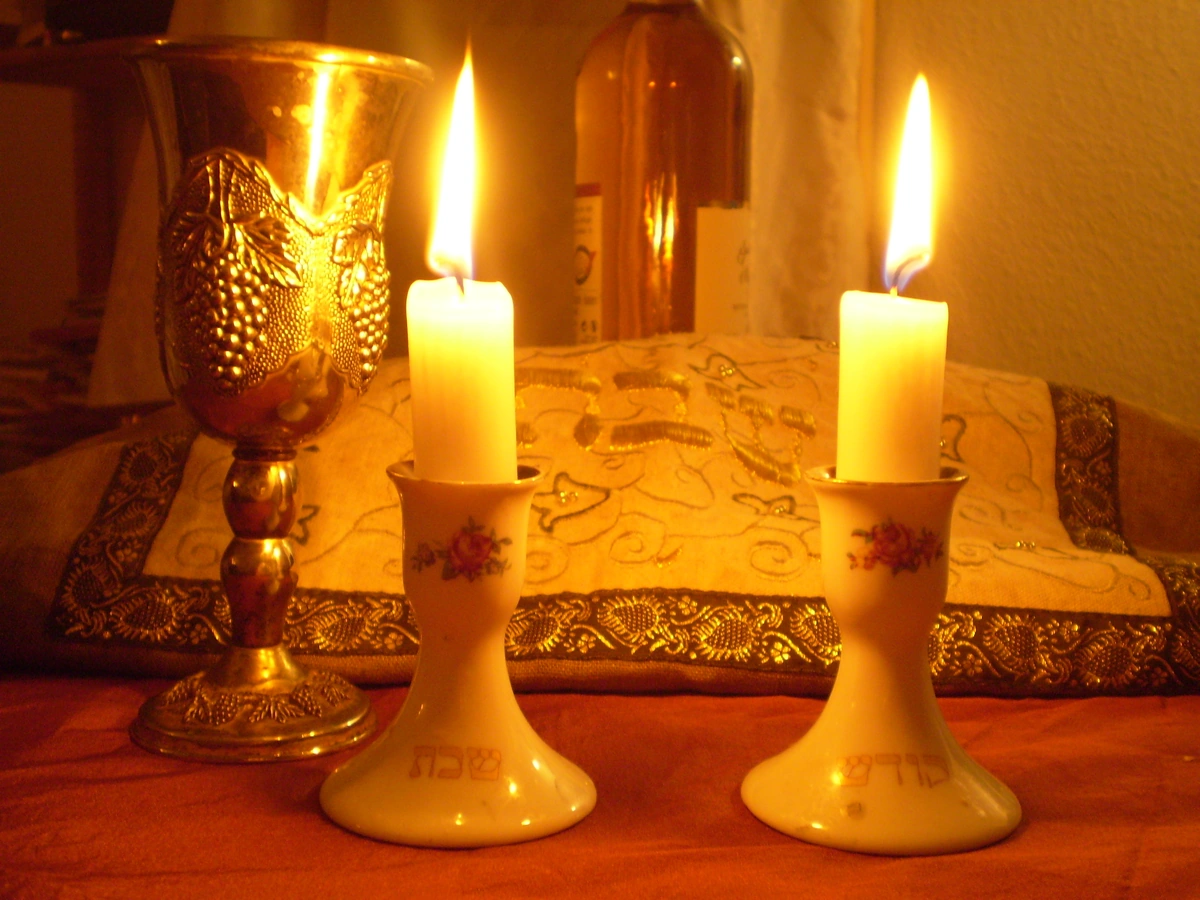
Villas are open-air, with breezes and long curtains. Put candles on a sturdy holder on a metal tray, at least four feet from curtains and bedding and out of reach of small children (FDNY). Pick a spot out of the wind from the terrace doors. Shabbat candles, glass neironim, and Havdalah candles are all in Kosher Market's Judaica catalog.
Eruv and walking
We know of no eruv on the Pacific coast. Chabad of Jacó and Chabad of Santa Teresa both say they have none (Chabad of Jacó, Chabad of Santa Teresa). Plan as if nothing can be carried outside the house: no keys, no phone, no stroller or beach bag. Star-K notes that without an eruv, even carrying on the porch might not be allowed. Many villas in Manuel Antonio sit on steep hills, with the beach a long, hot walk down and a harder walk back. If walking to the beach or to a minyan matters on Shabbat, tell us and we choose the house for it.
Travel days
Every beach region is a drive of several hours from San José, so avoid arriving on Friday or Saturday. Some owners only take Saturday check-ins in high season; when that happens, we book from Saturday and you arrive on Sunday.
Pesach and other holidays
Pesach in a villa is doable, and it takes the longest lead time of anything on this page. Kosher Market sells matza, matza meal, potato starch, Pesach cookies, wines, and ready-to-serve gefilte fish (Kosher Market), and its private chef offers Pesach menus. Chabad has run public Seders in Jacó and Santa Teresa (Chabad of Costa Rica); confirm on the official site for your year.
Pesach kashering is stricter than year-round. The OU's Pesach guide notes that Rav Moshe Feinstein required either a blowtorch or an insert for the oven, and that a glass stovetop cannot be kashered for Pesach and needs metal discs under the pots (OU Kosher). That makes owner consent even more important, and it is why many families bring or buy Pesach-only cookware and a countertop oven. Kosher Market's catalogs also carry Seder plates, Pesach tablecloths and napkins, and kosher-for-Pesach labels. Pesach often overlaps with Semana Santa, Costa Rica's busiest holiday week (best time to visit), so book the villa and the Pesach order early.
Kosher Market's chef also lists Rosh Hashanah and Hanukkah menus (Kosher Market). A sukkah on a villa terrace needs the owner's permission, and Hanukkah candles follow the same fire rules as Shabbat candles.
By region
Manuel Antonio, Quepos, Dominical, and Uvita
We found no kosher-certified restaurant or store anywhere on this stretch. Food comes from San José, about three hours away. Kosher Market's driver brings the order to the villa, about US$200 per delivery on a recent quote, and Chabad's catering also delivers. Kashering a villa kitchen here was quoted at about US$450. There is no Chabad house in Manuel Antonio; the nearest is in Jacó (Chabad of Jacó). Pick a house with a flat walk to the beach if you will walk there on Shabbat, and ask us about the road: many hillside houses need a 4x4.
Guanacaste: Tamarindo, Flamingo, and Hacienda Pinilla
Kosher Market names Tamarindo and Sámara in its delivery list (Kosher Market). Guanacaste is farther from San José, so delivery and kashering are quoted on request, and it pays to order further ahead. Chabad of Jacó and Chabad of Santa Teresa both list a Chabad house for travelers in Tamarindo, reachable by WhatsApp; it has no website we could find, so confirm it is open for your dates before you count on it (Chabad of Jacó). Santa Teresa, on the Nicoya Peninsula, has an active Chabad with catering ordered 24 hours ahead and one restaurant under its supervision (Chabad of Santa Teresa).
San José
Everything is here: Kosher Market, the Kosher Center, Chabad in Escazú, and the Centro Israelita Sionista in Pavas, home of the Shaarei Zion synagogue, a mikvah, and a museum of the Jewish community. The Centro Israelita's activities are for members only. Visitors can attend prayers as a member's guest or with a verified reference from a Jewish community abroad, through a form filed at least 48 hours ahead, and approval is not guaranteed; museum visits are by reservation (Centro Israelita). Its mikvah is by appointment (mikvah.org). If you want a Shabbat with a synagogue on the first or last weekend of your trip, spend it in San José and drive to the coast on Sunday.
How we help
We are a local concierge, not a kosher agency, and we do not supervise anything ourselves. What we do is put the pieces together for your house and your dates:
- The villa. We ask the owner for photos of the oven, stovetop, sinks, and counters, whether the oven is self-cleaning, what locks and sensors the house has, and how far it is to walk to the beach. If you plan to kasher, we get the owner's consent in writing first.
- The food. You choose from Kosher Market's menu and groceries, we send the order, book their driver to bring it to the villa, time the deliveries around Shabbat, and ask for the current certificate.
- The kitchen. We book the kashering and, if you want one, a mashgiach, and schedule it before you arrive.
- The chef. We check the supervision questions above in writing before we suggest anyone.
- The drive. We book your airport transfer. The food arrives separately with Kosher Market's driver.
We work on referral only. You pay each supplier directly: the villa owner, Kosher Market, the kashering team, the chef, and your driver. Tell us your dates, how many people, and how you keep kosher, and we come back with a plan and the quotes.
Top photo by RDNE Stock project, via Pexels. Other photos are credited under each image.